
Teeth Gap Treatment Near Vasant Kunj, Vasant Vihar, Munirka, Aerocity and Delhi Airport
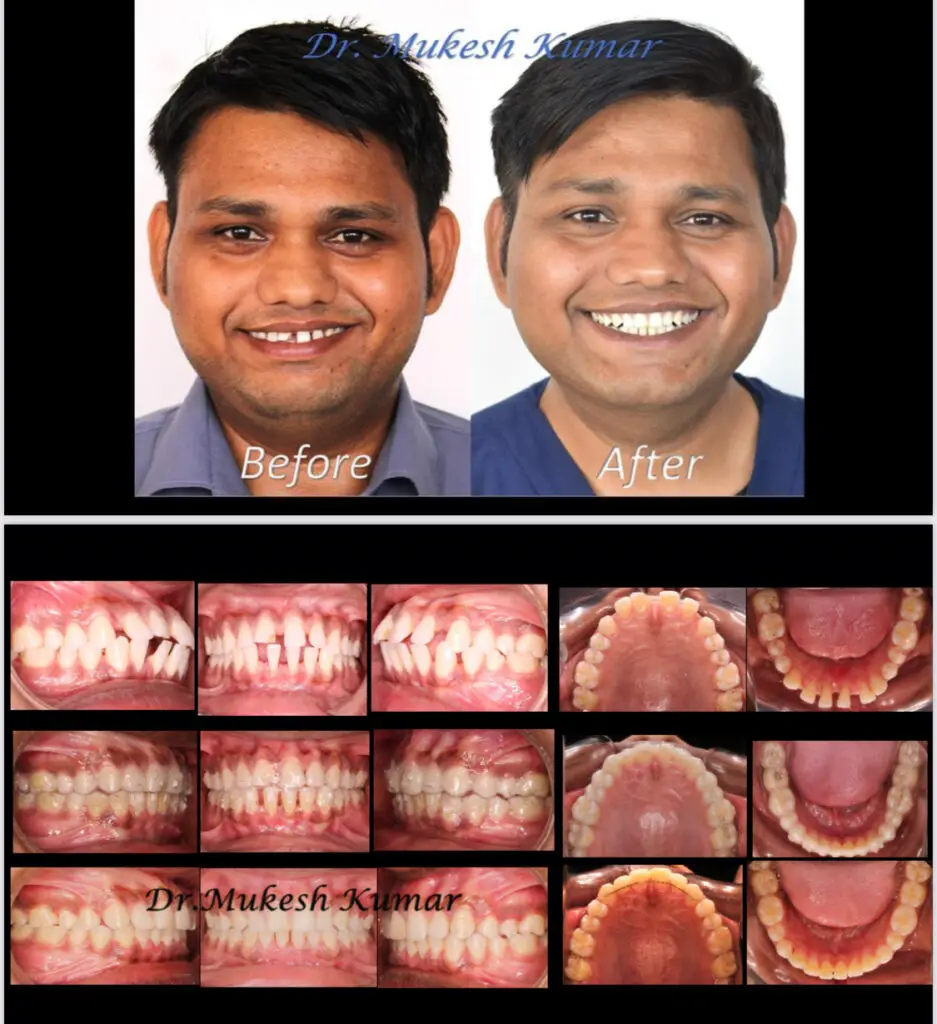
How to Deal With Gaps Between Teeth? Complete Guide to Teeth Gap Closure
A beautiful smile is not only about white teeth; the proper size, shape and alignment of teeth also play an important role. Many people have spaces or gaps between their teeth, especially between the upper front teeth. This condition is commonly known as diastema.
While some tooth gaps are simply a cosmetic concern, others may be related to tooth size, missing teeth, gum problems, bite issues or habits. Therefore, before deciding any treatment, a detailed dental evaluation is essential.
Why Do Gaps Develop Between Teeth?
Gaps between teeth can occur due to various reasons:
- Teeth that are smaller in size compared to the jaw
- Naturally missing teeth
- Teeth that have moved due to gum problems
- A thick or low-attached frenum (the tissue between the lip and gums)
- Tongue habits or abnormal swallowing pattern
- Spacing due to orthodontic problems
The treatment is decided after understanding why the gap is present, not only by looking at the gap size.
Different Treatment Options for Closing Teeth Gaps
1. Closing Gaps With Braces
If the teeth are healthy but have unwanted spacing due to their position, orthodontic treatment can move the teeth into the correct position.
Braces work by applying controlled forces to gradually bring the teeth closer together.
Advantages:
- Corrects the actual position of teeth
- Improves bite along with spacing
- Provides a natural long-term solution
Approximate duration:
Depending on the number and size of gaps, treatment may take a few months to longer. Mild spacing cases may sometimes be corrected faster, while complex orthodontic cases require more time.
2. Closing Teeth Gaps With Clear Aligners
Clear aligners are a modern alternative to braces for selected spacing cases.
A series of transparent removable trays gradually move teeth into the desired position.
Advantages:
- Nearly invisible
- Removable during eating and brushing
- Comfortable for many patients
However, aligners are not suitable for every type of gap. Proper case selection is very important.
3. Composite Bonding – Closing Small Gaps Without Braces
If the teeth are properly aligned but appear small or narrow, adding tooth-coloured composite material can improve their size and close the visible gap.
This procedure uses a light-cured, tooth-coloured material that is carefully shaped and polished to match natural teeth.
Suitable for:
- Small gaps
- Teeth that are slightly undersized
- Patients looking for a quick cosmetic improvement
Time required:
Usually can be completed in one appointment and may take around a few hours depending on the number of teeth involved.
4. Veneers for Teeth Gaps – A High Aesthetic Option
When teeth are small, irregular in shape, discoloured, or when a patient desires a complete smile enhancement, veneers may be considered.
Veneers are thin, high-aesthetic restorations made from materials such as advanced ceramics. They are bonded to the front surface of teeth to improve:
- Shape
- Size
- Colour
- Smile aesthetics
Time required:
Depending on the case and laboratory process, veneers can often be completed within a few days to a week.
Veneers are not simply “covers” for gaps; they require proper smile design and careful planning to achieve a natural appearance.
Why Clinical Evaluation Is Most Important Before Treatment
Many patients ask:
“Can my gap simply be filled?”
The answer depends on several factors:
- Is the gap because teeth are positioned apart?
- Are the teeth naturally small?
- Is the bite correct?
- Are gums healthy?
- Will closing the gap make teeth look too wide?
For example:
- Normal-sized teeth + spacing problem → braces or aligners may be ideal
- Small-sized teeth + spacing → composite bonding or veneers may give better aesthetics
- Multiple dental problems → a combined approach may be required
How Long Does Teeth Gap Closure Take?
| Treatment | Approximate Time |
| Composite bonding | Same day / one appointment |
| Veneers | Around 1 to 3 days to several visits depending on fabrication |
| Braces | Few months to longer depending on complexity |
| Clear aligners | Depends on the number of aligners and movement required |
Can Every Gap Be Closed?
Not every gap requires treatment. Some spaces are a natural feature of a smile. However, if the gap affects your confidence, appearance, food trapping, or is increasing over time, a dental consultation is recommended.
Consult a Senior Dentist for Teeth Gap Treatment in Vasant Kunj
Choosing the correct treatment is more important than choosing the fastest treatment.
At Dr. Mukesh Kumar’s Dental Clinic, Vasant Kunj, every case is evaluated carefully to decide whether braces, clear aligners, composite bonding, veneers, or a combination approach will provide the most natural and long-lasting result.
A personalised smile assessment helps achieve a smile that looks balanced, natural and healthy.
FAQs
1. What is the best treatment for gaps between teeth?
The best treatment depends on whether the gap is due to tooth position, tooth size, bite or cosmetic concerns. Options include braces, clear aligners, bonding and veneers.
2. Can a gap between front teeth be closed without braces?
Yes. Small gaps caused by tooth-size differences can sometimes be improved with composite bonding or veneers.
3. How much time does it take to close teeth gaps?
Small cosmetic corrections may be completed in one visit, while orthodontic correction requires more time depending on the case.
4. Are veneers better than braces for gap teeth?
Neither is universally better. Braces move teeth into position, whereas veneers improve tooth shape and appearance. The correct option depends on individual needs.